As search technology continues to evolve, people are no longer relying only on traditional search engines to find information. AI-powered platforms can now understand questions, summarize information, compare options, and provide direct answers. This shift has created a new area of digital marketing known as AIO, or AI Optimization.
AIO focuses on improving your online content so that it is easier for artificial intelligence systems to understand, identify, and potentially reference when generating answers.
What Is AIO?
AIO stands for Artificial Intelligence Optimization. It is the process of creating and structuring digital content so that AI-powered search and answer systems can better understand the information.
Traditional SEO primarily focuses on improving visibility in search engine results pages. AIO expands this approach by considering how AI systems interpret content and provide answers to users.
For businesses, this means creating content that is not only optimized for search engines but also clear, trustworthy, useful, and easy for AI systems to understand.
Why Is AIO Important?
The way people search for information is changing. Instead of typing short keywords such as “best SEO services,” users may ask complete questions like, “What are the best SEO strategies for a small business?”
AI-powered platforms are designed to understand these conversational questions and provide useful answers.
Businesses that publish high-quality, well-structured content can improve their chances of being discovered during these new types of searches.
AIO vs SEO
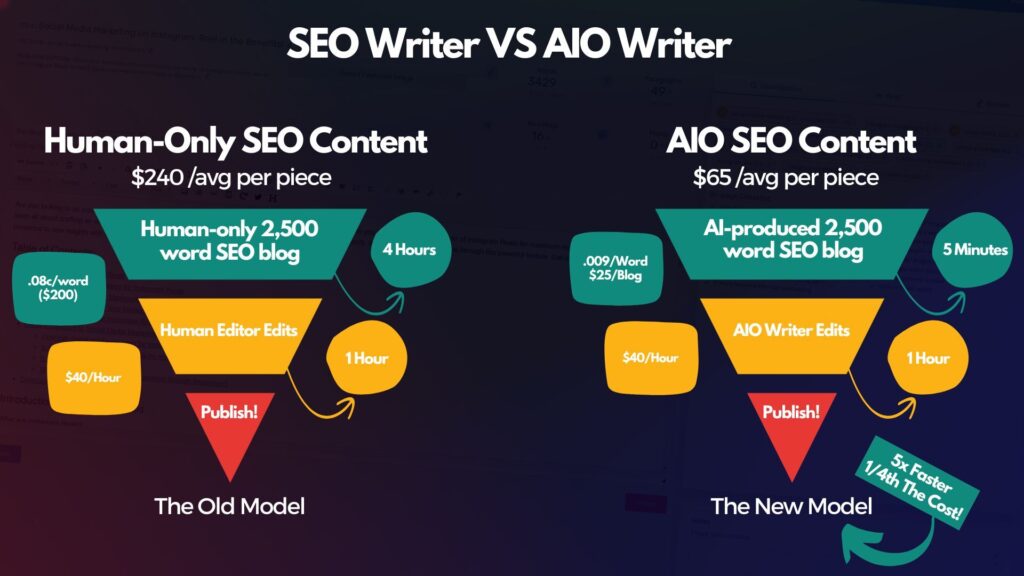
SEO and AIO are closely connected but have different focuses.
SEO aims to improve a website’s visibility in traditional search results through techniques such as keyword research, technical optimization, content creation, internal linking, and backlinks.
AIO focuses more on making information understandable and useful for AI-powered search and answer experiences.
The two strategies should not be viewed as competitors. Instead, businesses can combine SEO and AIO to create content that serves both traditional search engines and modern AI-driven discovery.
How to Optimize Content for AIO
1. Answer Questions Clearly
Create content that directly answers common questions related to your products, services, or industry.
2. Use Clear Structure
Organize information with descriptive headings, short paragraphs, bullet points, and logical sections. A clear structure makes content easier to understand.
3. Provide Accurate Information
Useful content should be factual, relevant, and regularly updated. Avoid unnecessary claims and focus on providing genuine value to readers.
4. Demonstrate Expertise
Original insights, practical examples, detailed explanations, and trustworthy information can help establish your website as a valuable resource.
5. Use Natural Language
Write for humans first. Instead of repeatedly inserting keywords, use natural language that matches the way people actually ask questions.
Benefits of AIO
AIO can help businesses adapt to changing search behavior, improve the quality of their online content, strengthen brand visibility, and prepare their websites for AI-driven search experiences.
It can be particularly useful for businesses that want to build authority around specific topics and become a reliable source of information in their industry.
Final Thoughts
AIO is becoming an important part of modern digital marketing. As AI-powered search and answer platforms continue to develop, businesses need to think beyond traditional rankings and focus on creating content that is useful, understandable, authoritative, and genuinely helpful.
The best approach is to combine SEO, AIO, high-quality content, and a strong user experience. By doing this, businesses can build a digital presence that is prepared for both today’s search engines and tomorrow’s AI-powered discovery.
No responses yet