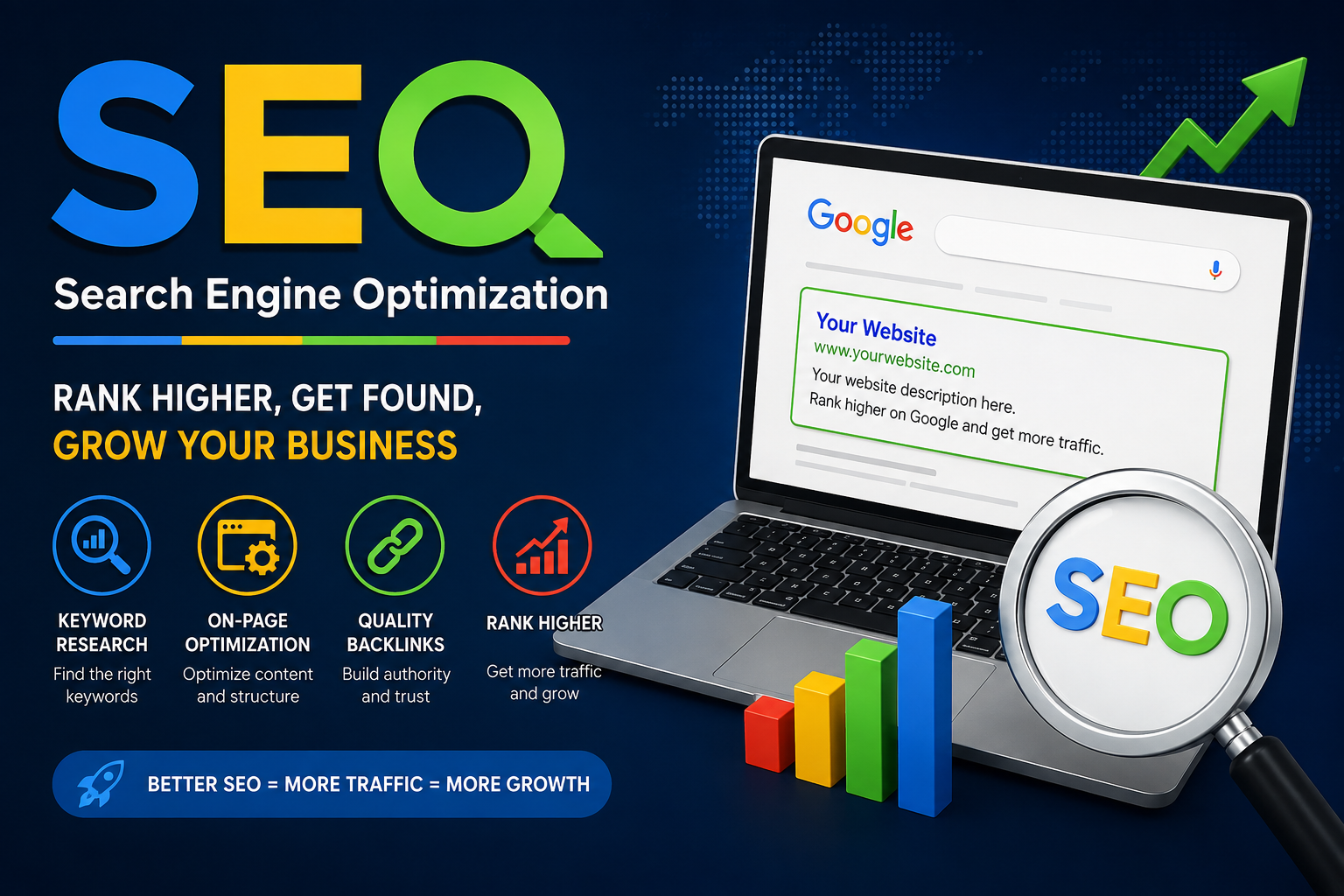
For two decades, Search Engine Optimization (SEO) has been the backbone of digital visibility. Marketers obsessed over keywords, backlinks, and the coveted position one on Google. But the way people find information is changing fast, and a new discipline has entered the conversation: Answer Engine Optimization (AEO).
What’s Changed
Search used to mean typing a query into Google and scrolling through ten blue links. Today, a growing share of questions are answered directly — by Google’s AI Overviews, by ChatGPT, by Perplexity, by Claude, and by voice assistants like Siri and Alexa. Users increasingly get a synthesized answer instead of a list of links to click through.
This shift matters because it changes the goal. SEO optimizes for rankings — being visible on a results page. AEO optimizes for being the answer — having your content selected, summarized, and cited by an AI system responding to a user’s question, often without the user ever visiting your site.
How the Two Disciplines Differ
SEO focuses on:
- Keyword research and search volume
- Backlink building and domain authority
- On-page elements like meta tags, headers, and site speed
- Driving click-through traffic to a webpage
AEO focuses on:
- Structuring content so it directly and clearly answers specific questions
- Using clean formatting (short paragraphs, lists, definitions) that’s easy for language models to parse and extract
- Establishing topical authority and factual accuracy, since AI systems favor trustworthy, well-corroborated sources
- Being cited or referenced within an AI-generated answer, even if that doesn’t result in a click
Why Both Still Matter
AEO isn’t a replacement for SEO — it’s an extension of it. AI answer engines still rely heavily on the same signals traditional search engines use: authoritative content, structured data, strong site architecture, and credible backlinks. A page that ranks well organically is often better positioned to be pulled into an AI-generated summary. Neglecting core SEO fundamentals to chase AEO tactics is a mistake; the two are complementary, not competing, strategies.
Practical Steps to Optimize for Both
- Write for clarity first. Answer the core question in the first few sentences of a section before elaborating. AI systems tend to extract the most direct, self-contained explanation.
- Use structured data and schema markup. This helps both traditional crawlers and AI models understand what your content is about.
- Build genuine topical authority. Cover a subject comprehensively rather than chasing scattered keywords. Depth signals trustworthiness to both algorithms and language models.
- Keep content fresh and accurate. AI systems increasingly prioritize sources that are current and verifiably correct, since citing outdated or wrong information damages their own credibility.
- Earn citations, not just backlinks. Being referenced by reputable third-party sources helps both your search rankings and your likelihood of being cited by an AI answer engine.
The Bottom Line
The future of visibility isn’t SEO or AEO — it’s a blended discipline where being findable and being quotable both matter. Brands that adapt early, treating AI answer engines as a legitimate new “front page” of information discovery, will be the ones that stay visible as search itself keeps evolving.
No responses yet